
Terpenes are one of those things most people have already experienced without realizing it. You smell them in pine trees, citrus peels, lavender fields, and fresh herbs. They’re everywhere in nature.
In cannabis, they show up in a big way. They’re a huge part of why one plant might smell sweet and fruity while another leans earthy or sharp. But beyond scent, they also seem to influence how cannabis feels for many people.
That’s why terpenes have become such a big topic lately. Once you notice them, you start to realize cannabis is doing a lot more than just delivering cannabinoids.
Educational Note
This article is for educational purposes only. It shares general information about plant compounds and cannabis science and is not intended as medical advice.
Key Takeaways
- Terpenes are natural aromatic compounds found in plants, including cannabis
- They are responsible for smell and flavor differences
- Cannabis contains many different terpenes in varying combinations
- Terpenes may influence how cannabinoids are experienced
- Different strains often smell and feel different because of terpene profiles
- Terpenes are also found in herbs, fruits, and trees—not just cannabis
- The overall cannabis experience is often shaped by multiple compounds working together
The Natural Scent Layer Most People Notice First
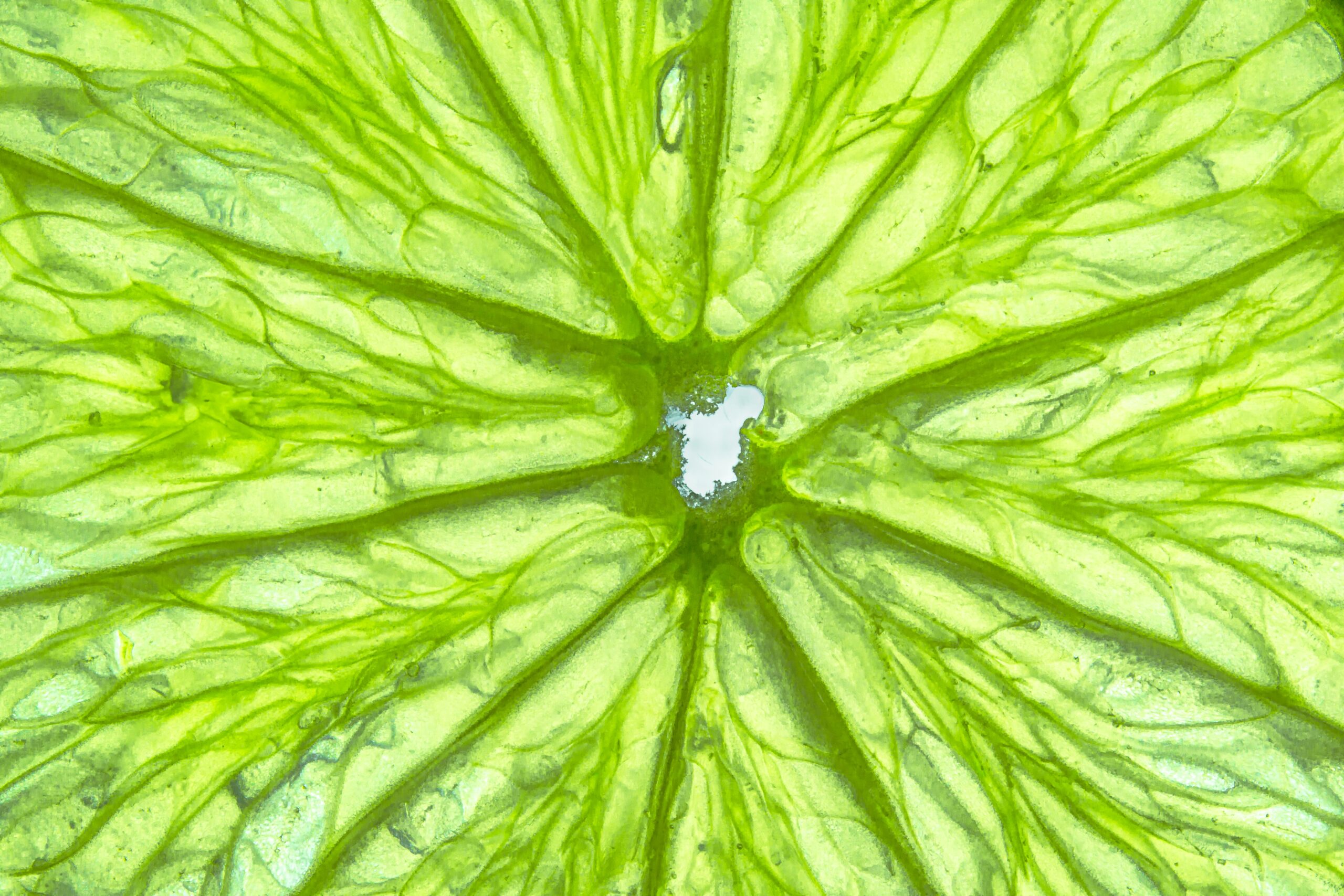
If you’ve ever crushed a leaf of mint, peeled an orange, or walked through a pine forest, you’ve already met terpenes.
They’re basically the plant’s way of producing aroma. In cannabis, they’re what give each plant its personality on the nose—sometimes citrusy, sometimes sweet, sometimes earthy or fuel-like.
A lot of people don’t realize they’re actually picking up on chemistry when they say things like “this one smells different.” That difference usually comes down to terpenes.
How Plants Use Them In The First Place
Terpenes aren’t there just for humans to enjoy.
In nature, they help plants survive. Some may help attract pollinators. Others may help deter pests or protect the plant from environmental stress.
Think of it like the plant’s communication layer. Not spoken language, but chemical signaling.
Cannabis just happens to produce a wide variety of these compounds, which is part of why its aroma and character can change so much from one cultivar to another.
Why Cannabis Feels More Complex Than It Looks
When people first learn about cannabis, they usually hear about THC percentage.
But what often gets overlooked is that two products with the same THC level can feel completely different.
That’s where terpenes start to matter more in the conversation.
What happens is that cannabinoids and terpenes exist together in the plant, and many people feel like the combination creates a more complete experience than either one alone.
The Quiet Interaction With Cannabinoids
Terpenes don’t act alone in cannabis.
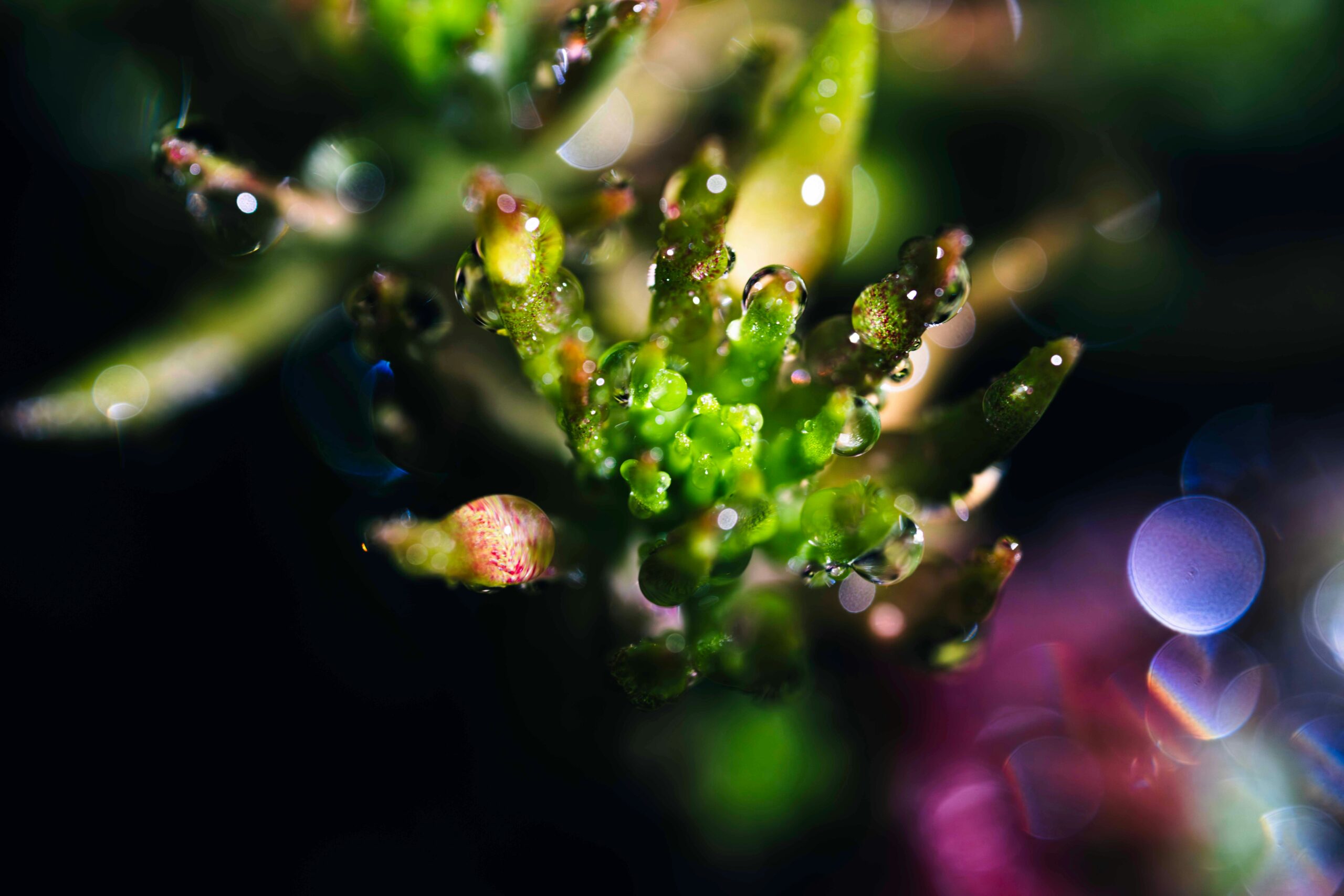
They’re constantly interacting with cannabinoids like THC and CBD, along with dozens of other minor compounds.
Some research suggests these interactions may influence how the overall experience is perceived. It’s not about one compound overpowering another—it’s more like a group of ingredients working together in subtle ways.
Think of cannabinoids as the main structure, and terpenes as the tone and texture around it.
Why Smell Often Tells You More Than Numbers
People often get focused on percentages on a label, but smell can actually reveal a lot more than it gets credit for.
If you’ve ever noticed that certain cannabis products smell calming, sharp, bright, or heavy, you’re already picking up terpene signals.
A lot of people eventually start choosing products based on aroma rather than numbers alone, because smell tends to feel more intuitive.
It’s not perfect, but it’s often surprisingly consistent over time.
Where Full-Spectrum Thinking Comes Into Play
Terpenes are one of the reasons full-spectrum cannabis has gained attention.
Instead of isolating a single compound, full-spectrum products aim to preserve the natural mix of cannabinoids and terpenes found in the plant.
Some people feel that combination reflects the plant more naturally. Others prefer isolates for simplicity and predictability.
Neither approach is “right” for everyone. It just depends on preference and experience.
Why No Two Plants Ever Feel Exactly The Same
Even within the same strain name, terpene levels can shift based on growing conditions, harvest timing, storage, and curing methods.
That’s why cannabis can feel inconsistent sometimes, even when it looks similar on paper.
Terpenes are part of that variability. They’re sensitive to environment, and small changes can shift the overall profile more than people expect.
A Quick Note On Safety And Sensitivity
Terpenes are natural compounds, but that doesn’t mean everyone responds to them the same way.
Some people may find certain aromas more pleasant than others. In rare cases, strong scents can feel overwhelming depending on sensitivity.
Like most things in nature, balance matters more than intensity.
Legal Considerations
Terpenes themselves are widely found in plants, foods, and essential oils and are not unique to cannabis.
However, terpene profiles in cannabis products are subject to local cannabis laws, which vary depending on region.
Always stay aware of local regulations when purchasing or using cannabis products.
Frequently Asked Questions
Are terpenes only found in cannabis?
No. They exist in many plants like citrus fruits, pine trees, lavender, and herbs.
Do terpenes get you “high”?
Not in the way THC does. They don’t produce intoxication on their own.
Why do cannabis strains smell different?
Different combinations of terpenes create different aromas and flavor profiles.
Do terpenes actually matter?
Many people believe they contribute to the overall cannabis experience, especially when combined with cannabinoids.
Can terpenes change over time?
Yes. Storage, light, and air exposure can slowly affect terpene levels.
Final Thoughts
Terpenes are easy to overlook at first, but once you understand them, cannabis starts to feel a lot more layered.
They’re part of what makes each plant smell unique, and they quietly contribute to the overall experience alongside cannabinoids. Nothing flashy, nothing complicated—just natural chemistry doing its thing.
And once you start paying attention to aroma, it’s hard not to notice how much information is actually packed into it.
